
Case Study Part I: High-Stakes Warehouse Migration – U-APSD Compatibility & Latency Spikes (Dallas)
- The Challenge
- The Oscium Complete Bundle Solution
- Key Findings from the Capture (HD UAPSD.pdf analysis):
- The Fix & Results
- Download the full technical PCAP analysis:
- Why Only the Oscium Nomad Could Do This
- Up Next in Part II: Warehouse Roaming Issues That Ekahau & Vendor Captures Completely Missed
- Case study contributed by Tyler Condon , SabreTech Consulting LLC .
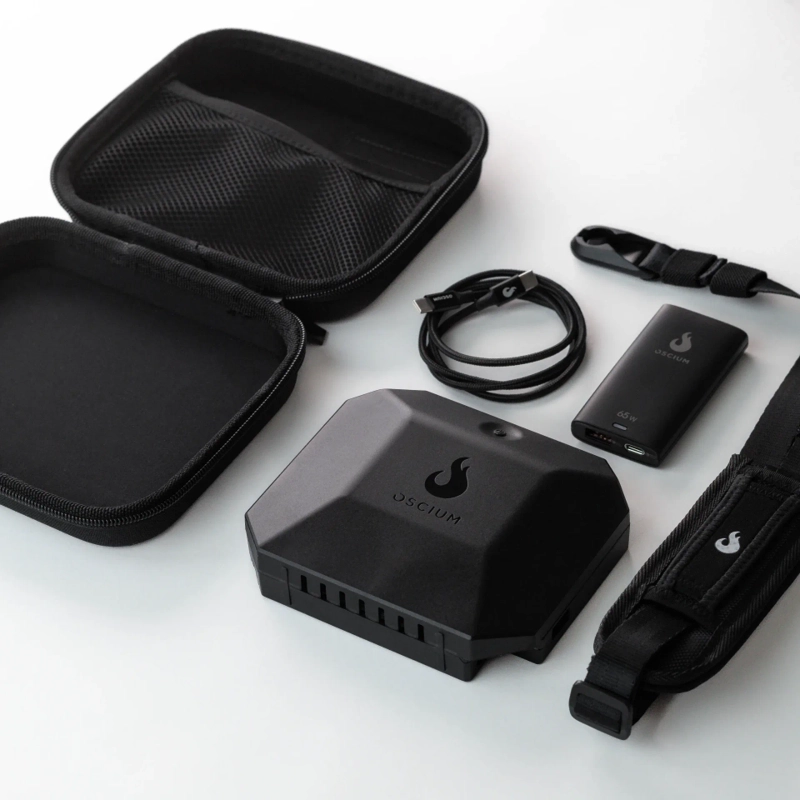
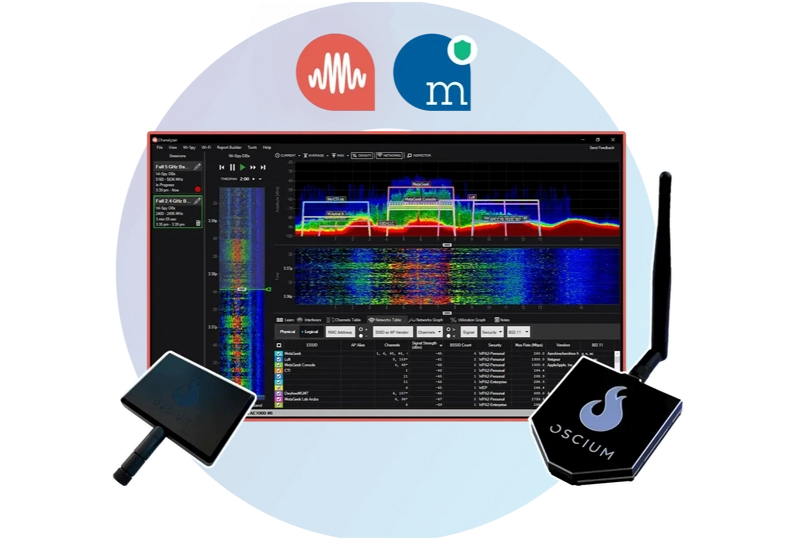
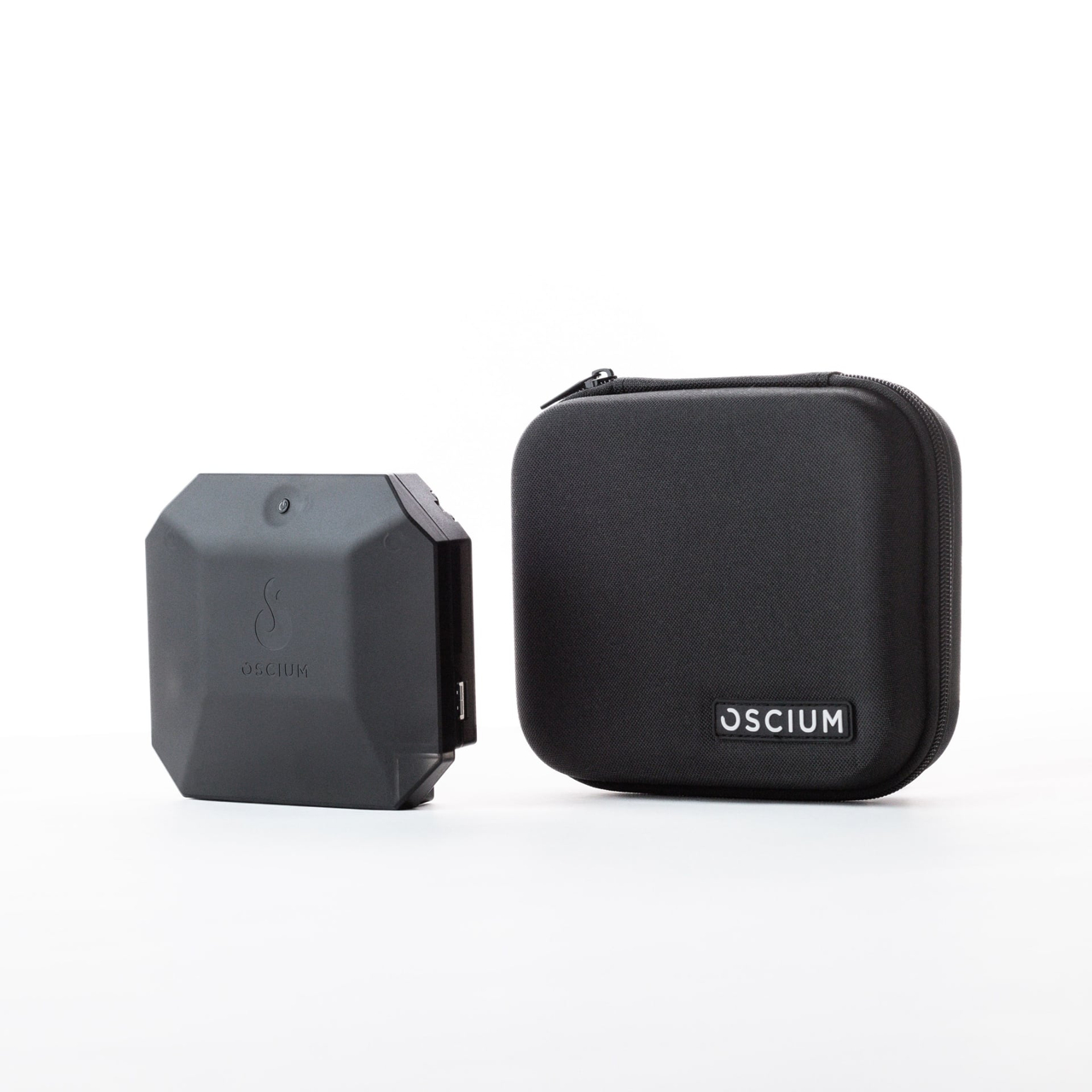
The Oscium Complete Bundle (Nomad network analyzer + Wi-Spy spectrum analyzer + MetaGeek App) delivers the only truly portable, multi-radio solution for raw 802.11 layer-1/layer-2 visibility in the field. When standard survey tools and vendor captures fall short, the Nomad lets engineers follow a real client across channels and APs while capturing full 802.11 frames. Here is the first of two recent examples where the Complete Bundle turned potential disasters into success stories.
The Challenge
During a critical weekend migration into a brand-new warehouse, the customer’s RF scanners (Quectel Wi-Fi chipset) began exhibiting severe, periodic ping latency spikes — steady ~22 ms for 9 seconds, then jumping to 100–900 ms for 1 second, repeating like clockwork. The issue was not simple RSSI, airtime congestion, interference, or TX retries. With the entire operation on the line, the team needed answers fast.
The Oscium Complete Bundle Solution
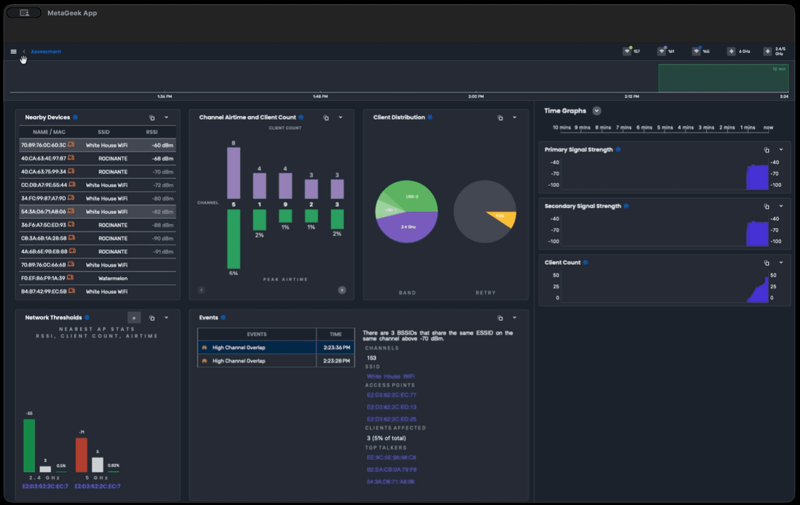
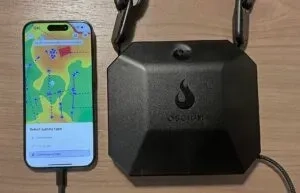
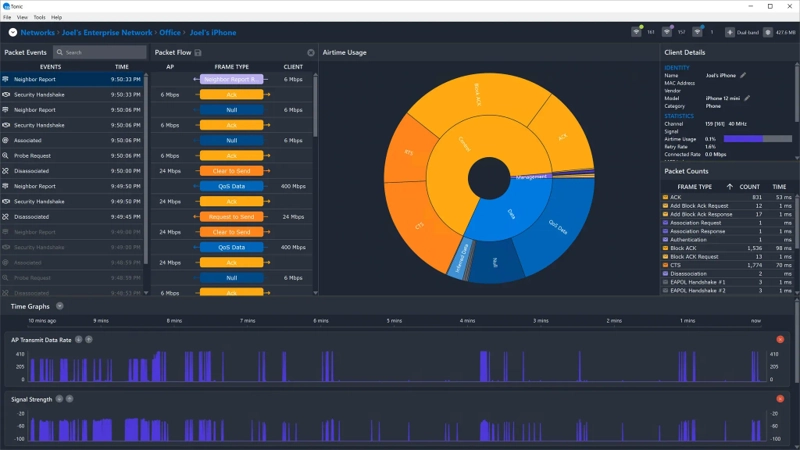
Using the Oscium Nomad with the MetaGeek App, the engineer walked the floor alongside an RF scanner (MAC f4:ab:5c:fb:52:60), capturing raw 802.11 frames in real time. The Nomad’s four tri-band radios provided complete multi-channel visibility while the client roamed.
Key Findings from the Capture (HD UAPSD.pdf analysis):
• The client was actively using power-save mode (frequent QoS Null frames with PM=1 bit set).
• Behavior aligned precisely with the AP’s DTIM period of 3 (beacon interval 100 TU ≈ 102.4 ms).
• Downlink packets were being buffered at the AP until the next wake/DTIM opportunity — creating the exact 100–900 ms spikes observed.
• No excessive retries or rate-shifting issues were present (strong RSSI ~–25 dBm and zero retry bit set).
• The root cause was a U-APSD compatibility mismatch between the UniFi AP and the Quectel client.
The Fix & Results
After enabling U-APSD on the SSID, the Nomad capture immediately showed the client triggering immediate service periods for buffered unicast frames. Latency stabilized at the expected ~22–25 ms baseline. The migration weekend was saved, and the customer avoided catastrophic downtime.
Download the full technical PCAP analysis:
Full AI Analysis of the Quectel RF Scanner Latency Issue
Why Only the Oscium Nomad Could Do This
Traditional survey tools like the Ekahau Sidekick excel at RSSI and heatmaps but cannot deliver the deep raw 802.11 frame analysis needed for power-save, U-APSD, and DTIM troubleshooting. The Complete Bundle provided the only practical, walk-and-capture solution in a live production environment.
Up Next in Part II: Warehouse Roaming Issues That Ekahau & Vendor Captures Completely Missed
In Part I we saw how the Oscium Complete Bundle quickly diagnosed a hidden U-APSD compatibility problem on an RF scanner that was threatening an entire warehouse migration. In Part II, we move to a different large warehouse in Indiana. The network had already been surveyed with an Ekahau Sidekick and reviewed using the manufacturer’s own packet capture — both reports said everything looked fine. Yet users were still experiencing sluggish ERP performance while roaming between aisles. See how the Oscium Nomad once again revealed the real root cause — and how a simple walk-and-capture with real clients solved what other tools couldn’t. Join us next week to read Part II
Case study contributed by Tyler Condon, SabreTech Consulting LLC.
Raw 802.11 packet captures performed with the Oscium Nomad Network Analyzer. Detailed PCAP analysis provided by advanced AI tools.
Enter your email to subscribe to our newsletter and receive updates.